Glass, a highly sustainable product. Until recently, the well-known white quartz sand was a basic raw material for glass production. It is usually extracted locally, as close to the production lines as possible. For instance, the Kempen sand pits in Mol, located near us, are ‘world-famous’ in Belgium. But sa
Glass, a highly sustainable product
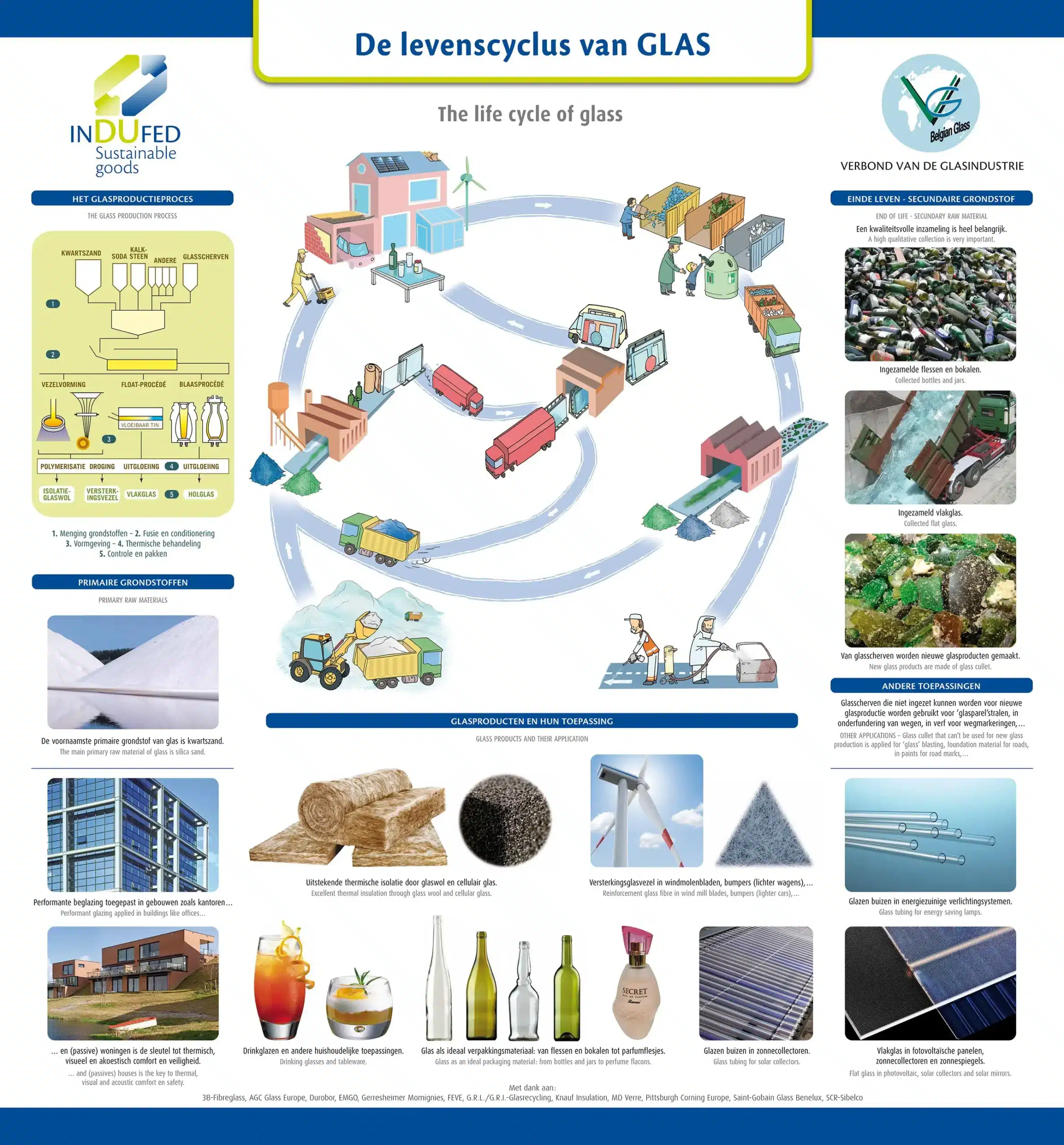
Until recently, the well-known white quartz sand was a basic raw material for glass production. It is usually extracted locally, as close to the production lines as possible. For instance, the Kempen sand pits in Mol, located near us, are ‘world-famous’ in Belgium.
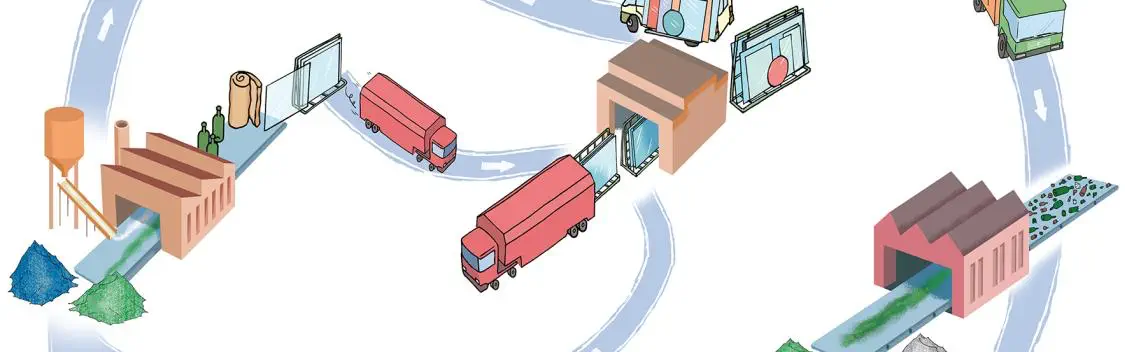
However, along with the increasing focus on the environment and sustainability, glass production techniques have also evolved. Alongside sand, high-quality glass cullet is now a standard ingredient in glass production. In this way, used glass re-enters the production cycle; cradle-to-cradle in industrial practice.
To achieve this, it is essential that used glass is recovered in a high-quality and segregated manner. Pure glass cullet then finds its way into a wide range of products that contribute to the fight against global warming, such as super-insulating glazing, solar panels, insulation materials, etc.
To enable optimal recycling, Group Ceyssens sorts all residual glass into three different fractions: pure glass, impure glass, and laminated glass. The glass containers are collected and processed by GRL Glasrecycling from Lummen, which processes up to 200,000 tons of waste glass annually using advanced methods.
Or how glass cullet has been transformed from a disposable product into a precious raw material.
Keep discovering
Would you like to stay informed about our latest projects and innovations? Subscribe to our newsletter now.
"*" indicates required fields
This site is registered on wpml.org as a development site. Switch to a production site key to remove this banner.